How Prevention Works to Keep Creatinine Level Normal?
Written By: Indus Health Plus Doctors Team
Medically Reviewed | Based on Clinical Guidelines
Last Updated: 24 Apr 2026
Creatinine is a waste product produced during normal muscle activity and is filtered out of the body by the kidneys. Monitoring creatinine levels is important as it helps assess how well your kidneys are functioning.
Even slight increases in creatinine levels may indicate underlying kidney stress or lifestyle-related issues, making early prevention and regular health checkups essential.
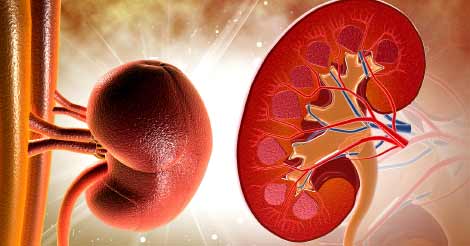
Kidneys are one of the most significant organs of the human body. They perform major roles in excretion and urine formation, thus keeping your body healthy by throwing toxins out. According to the latest trends and lifestyle changes, many people suffer from fluctuations in serum creatinine levels. There can be several factors responsible for it. Read ahead to know more valuable facts about the topic:
Serum Creatinine:
Normal creatinine levels may vary depending on age, gender, and muscle mass. On average:
- Men: 0.7 to 1.2 mg/dL
- Women: 0.5 to 1.0 mg/dL
Levels above this range may indicate potential kidney function issues and require medical evaluation.
Kidneys are the vital organs that maintain the serum creatinine levels in the body. These levels depend greatly upon an individual’s age, gender, sex, and other habits.
Normal urine creatinine levels are:
- Women: 87 to 107 mL/min; 1.5 to 1.8 mL/sec
- Men: 107 to 139 mL/min; 1.8 to 2.3 mL/sec
For every 10 years increase in age, the creatinine levels will drop by 6.5 mL/minute.
The serum creatinine levels in the blood are as follows:
- Children: 0.3 to 0.7 mg/dL
- Teenagers: 0.5 to 1.0 mg/dL
- Women: 0.5 to 1.1 mg/dL; 44 to 97 mmol/L
- Men: 0.6 to 1.2 mg/dL; 53 to 106 mmol/L
Why should I take a creatinine test?
Your doctor may recommend a creatinine test due to the following reasons.
- In the case of a kidney transplant, proper monitoring of creatinine is required.
- To monitor the drugs that may have led to harmful changes in the kidney.
- To monitor the presence of diseases related to the kidney.
- In the case of lifestyle diseases such as diabetes mellitus, hypertension, etc., creatinine should be monitored.
- To help the diagnosis in case of any specific kidney-related disorder.
How can I prevent an increase in serum creatinine levels?
You can follow the below-mentioned tips to prevent an increase in creatinine levels. These tips will help you maintain a healthy range of creatinine.
-
Exercise regularly:
One should regularly exercise and follow a fitness regimen. One can either do yoga, run or play games to have controlled levels of creatine and essentials in the body.
-
Consume herbal teas:
You can consume green tea or herbal tea. It will help reduce creatinine levels and prevent other conditions such as obesity.
-
Stay hydrated:
You should drink plenty of water to remain healthy. Water is the ultimate resource to recharge your body and prevent deadly diseases.
-
Limit the proteins you consume:
Stay low on protein consumption to control the serum creatinine levels. Excessive eating of meat, eggs, and other protein-rich foods can precipitate creatine levels.
-
Consume herbs:
Herbs including Corn Silk, Astragalus, Cinnamon, Sage, Siberian Ginseng, Dandelion Root, and Chitosan Supplements help you maintain your creatinine levels. However, you should talk to your doctor before introducing any drastic changes to your diet.
Common Causes of High Creatinine
Creatinine levels may increase due to:
- Kidney dysfunction or disease
- Dehydration
- High protein intake
- Intense physical activity
- Certain medications
In some cases, elevated levels may not indicate serious disease but still require monitoring.
How to Keep Creatinine Levels Normal
- Stay well hydrated to support kidney filtration
- Maintain a balanced diet with controlled protein intake
- Avoid excessive use of supplements without medical advice
- Monitor blood pressure and blood sugar levels
- Limit processed and high-sodium foods
- Stay physically active but avoid overexertion
These lifestyle changes help reduce strain on the kidneys and maintain stable creatinine levels.
Symptoms of High Creatinine
High creatinine levels may not always cause symptoms initially. However, warning signs can include:
- Fatigue
- Swelling in legs or face
- Reduced urine output
- Shortness of breath
- Confusion or weakness
These symptoms may indicate kidney function issues and should not be ignored.
When Should You Check Creatinine Levels?
You should consider a creatinine test if:
- You have diabetes or high blood pressure
- You experience fatigue or swelling
- You have a family history of kidney disease
- You are above 30–35 years of age
- You follow a high-protein or supplement-heavy diet
Regular testing helps in early detection and prevention of kidney-related issues.
What We Observ
In preventive health screenings, many individuals are found to have slightly elevated creatinine levels without noticeable symptoms. This is often due to dehydration, dietary habits, or undiagnosed lifestyle conditions. Regular monitoring helps identify such changes early.
Who Is at Risk
You may be at higher risk if you:
- Have diabetes or hypertension
- Follow a sedentary lifestyle
- Consume high-protein diets regularly
- Use supplements frequently
- Have a family history of kidney disease
Why Early Detection Matters
Creatinine levels alone do not always give the complete picture of kidney health. Doctors often evaluate it along with other tests such as eGFR and urine analysis for accurate diagnosis.
Also Read: 9 Basic Health Screening Tests Everyone Should Get Done Regularly
Serum creatinine levels are one of the most significant aspects of your body. Keeping them in a healthy range and taking precautions to control them if needed is essential. Kidneys are one of the hidden pillars of our health. Want to check if you are safe with your creatinine levels? Go for a quick Complete Health Checkup and ensure your health quotient. A timely stitch saves nine, isn’t it?
Sources & Medical References
The information provided in this article is based on clinical guidelines and global health research related to kidney function and creatinine levels.
- National Kidney Foundation: Provides clinical insights on kidney function, creatinine levels, and chronic kidney disease.
- MedlinePlus: Offers medically reviewed information on creatinine tests and kidney health.
- Mayo Clinic: Provides expert-backed guidance on kidney disease, symptoms, and diagnostic tests.
- Healthline: Covers creatinine levels, causes, symptoms, and lifestyle management.
Frequently Asked Questions
What is creatinine and why is it important?
Creatinine is a waste product produced by muscles during normal activity. It is filtered by the kidneys, and its levels help assess kidney function.
What is the normal range of creatinine levels?
Normal creatinine levels are typically 0.7 to 1.2 mg/dL for men and 0.5 to 1.0 mg/dL for women, depending on age and muscle mass.
What causes high creatinine levels?
High creatinine levels can be caused by kidney dysfunction, dehydration, high protein intake, intense physical activity, or certain medications.
What are the symptoms of high creatinine levels?
Symptoms may include fatigue, swelling, reduced urine output, shortness of breath, and weakness, though early stages may show no symptoms.
Can high creatinine levels be reduced naturally?
In some cases, creatinine levels can be managed with hydration, balanced diet, and lifestyle changes, but medical evaluation is necessary.
Who is at risk of high creatinine levels?
People with diabetes, hypertension, kidney disease, sedentary lifestyle, or high-protein diets are at higher risk.
When should I get my creatinine levels tested?
Testing is recommended if you are above 30, have risk factors, or experience symptoms like fatigue or swelling.
How often should creatinine levels be checked?
Creatinine levels should be checked annually or more frequently if you have existing health conditions.
What tests are done along with creatinine?
Doctors may recommend eGFR, blood urea nitrogen (BUN), and urine tests along with creatinine.
Is a slightly high creatinine level always serious?
Not always. Mild elevations can be temporary but should be monitored to rule out underlying kidney issues.
Sources & Medical References
+
NA
Related Health Checkup Packages

Our Most Popular Packages